
Different Types of Pile Hammers: A Comprehensive Guide
By:Admin
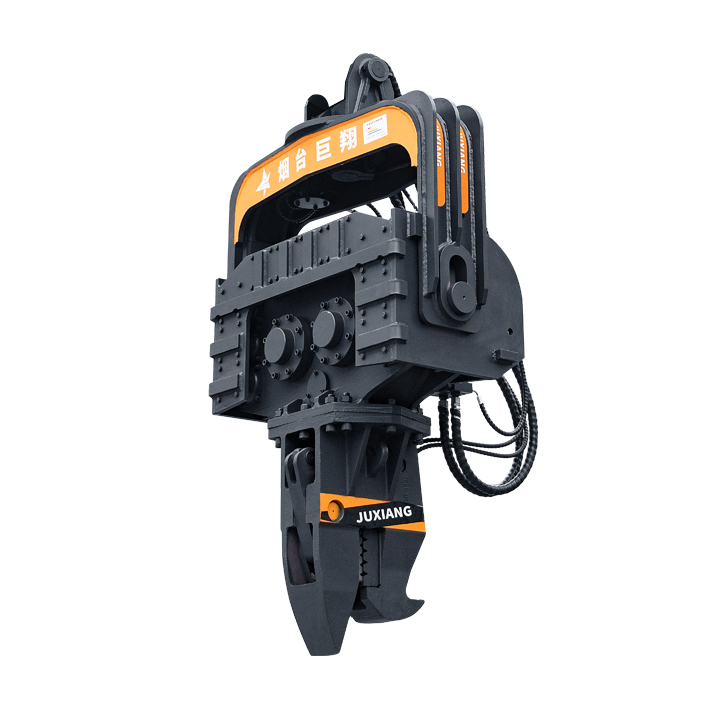
In the realm of civil engineering and construction, pile driving is a critical process that ensures the stability and longevity of structures, especially those that require deep foundations. The equipment used for this purpose, known as pile hammers, plays a pivotal role in driving piles into the ground to provide foundational support. Understanding the different types of pile hammers is essential for selecting the right equipment tailored to specific project requirements. This article delves into the various types of pile hammers, highlighting their mechanisms, applications, and advantages, providing valuable insights for construction professionals and stakeholders.
### What Are Pile Hammers?
Pile hammers are heavy-duty machines used to drive piles—long slender columns generally made of steel, concrete, or timber—into the soil or seabed. These piles transfer the load of a structure to the stronger soil or rock layers deep below the ground surface, ensuring structural safety. The driving force is typically generated by dropping a heavy weight onto the pile (drop hammer), using hydraulic pressure, or employing diesel combustion.
### Types of Pile Hammers
1. **Drop Hammer**
The drop hammer is one of the oldest and simplest types of pile hammers. It consists of a heavy weight (the hammer) lifted and then dropped freely onto the pile head. The kinetic energy from the falling weight transfers into the pile, driving it downwards. Drop hammers are straightforward in design and relatively inexpensive but are limited in energy control and efficiency. They are usually employed for relatively light piles or in areas where noise and vibrations are less of a concern.
2. **Single-Acting Steam Hammer**
The single-acting steam hammer operates by utilizing steam pressure to lift and then drop the hammer on the pile. Steam is introduced to raise the ram and then released to allow gravitational forces to drive the hammer downward. This type offers more controlled energy compared to drop hammers but has been largely replaced by more modern systems in recent decades.
3. **Double-Acting Steam Hammer**
An advancement over the single-acting type, the double-acting steam hammer applies steam pressure on both the upward and downward strokes. The hammer is lifted by steam and then pushed down by steam pressure as well, increasing driving efficiency and speed. However, steam hammers have become less common with the rise of hydraulic and diesel alternatives.
4. **Diesel Hammer**
Diesel hammers utilize the combustion of diesel fuel within the hammer cylinder to create explosive force, driving the pile. This type of hammer is self-contained, does not require external power sources like steam or compressed air, and offers controlled energy levels. Diesel hammers are widely used in many pile-driving applications due to their portability and relatively high energy output.
5. **Hydraulic Hammer**
Hydraulic hammers use hydraulic pressure to lift the hammer ram and then allow it to drop by controlled release. This type offers precise energy control, less noise, reduced vibrations, and higher efficiency compared to traditional drop or steam hammers. Hydraulic hammers are highly versatile and suitable for various pile materials and sizes. They are frequently adopted in urban environments due to their quieter operation.
6. **Vibratory Hammer**
Distinct from impact pile hammers, vibratory hammers use high-frequency vibrations to reduce soil resistance and enable pile installation. The hammer clamps around the pile and oscillates it at high speeds, allowing the pile to be driven or extracted smoothly. Vibratory hammers are efficient for driving sheet piles and other precast piles, especially in soft to medium soils, offering low noise and reduced environmental impact.
### Factors Influencing Pile Hammer Selection
The choice of pile hammer depends on numerous factors, including pile material and size, soil conditions, project environment, noise and vibration restrictions, and logistical considerations. For instance, steel piles in dense soil may require diesel or hydraulic hammers for sufficient impact force, while timber piles in soft soil might be ideal for vibratory hammers. Additionally, environmental regulations often limit noise and vibration levels, making vibratory or hydraulic hammers more favorable in urban sites.
### The Role of Professional Expertise in Pile Driving
Selecting and operating pile hammers requires a thorough understanding of geotechnical properties, structural loads, and equipment capabilities. Professional pile driving contractors rely on extensive experience and engineering expertise to optimize pile installation, reduce risks, and maintain construction timelines. Employing the right type of pile hammer ensures efficiency, cost-effectiveness, and structural integrity, avoiding costly delays or damage to surrounding infrastructure.
### Advancements in Pile Hammer Technologies
The industry continues to innovate, focusing on increasing energy efficiency, minimizing environmental impacts, and enhancing safety features. Modern hydraulic and vibratory hammers incorporate smart sensors and automation, enabling real-time monitoring and adjustments. Moreover, hybrid systems combining vibratory and impact driving are gaining traction for complex projects. Such advancements contribute to sustainable construction practices while meeting the growing demand for high-performance foundations.
### Conclusion
Pile hammers are indispensable tools in foundation engineering, with diverse types tailored to meet varying project needs. Understanding the operational principles and applications of drop, steam, diesel, hydraulic, and vibratory hammers enables construction professionals to make informed decisions that align with technical and environmental requirements. As the construction industry evolves towards smarter, greener technologies, selecting the appropriate pile hammer will remain a cornerstone of successful foundation projects.
Whether handling massive infrastructure developments or residential buildings, the right pile hammer ensures that the groundwork for safety and durability is firmly in place. Staying abreast of technological advancements and leveraging expert knowledge in pile driving empowers stakeholders to build with confidence and efficiency in an ever-changing construction landscape.