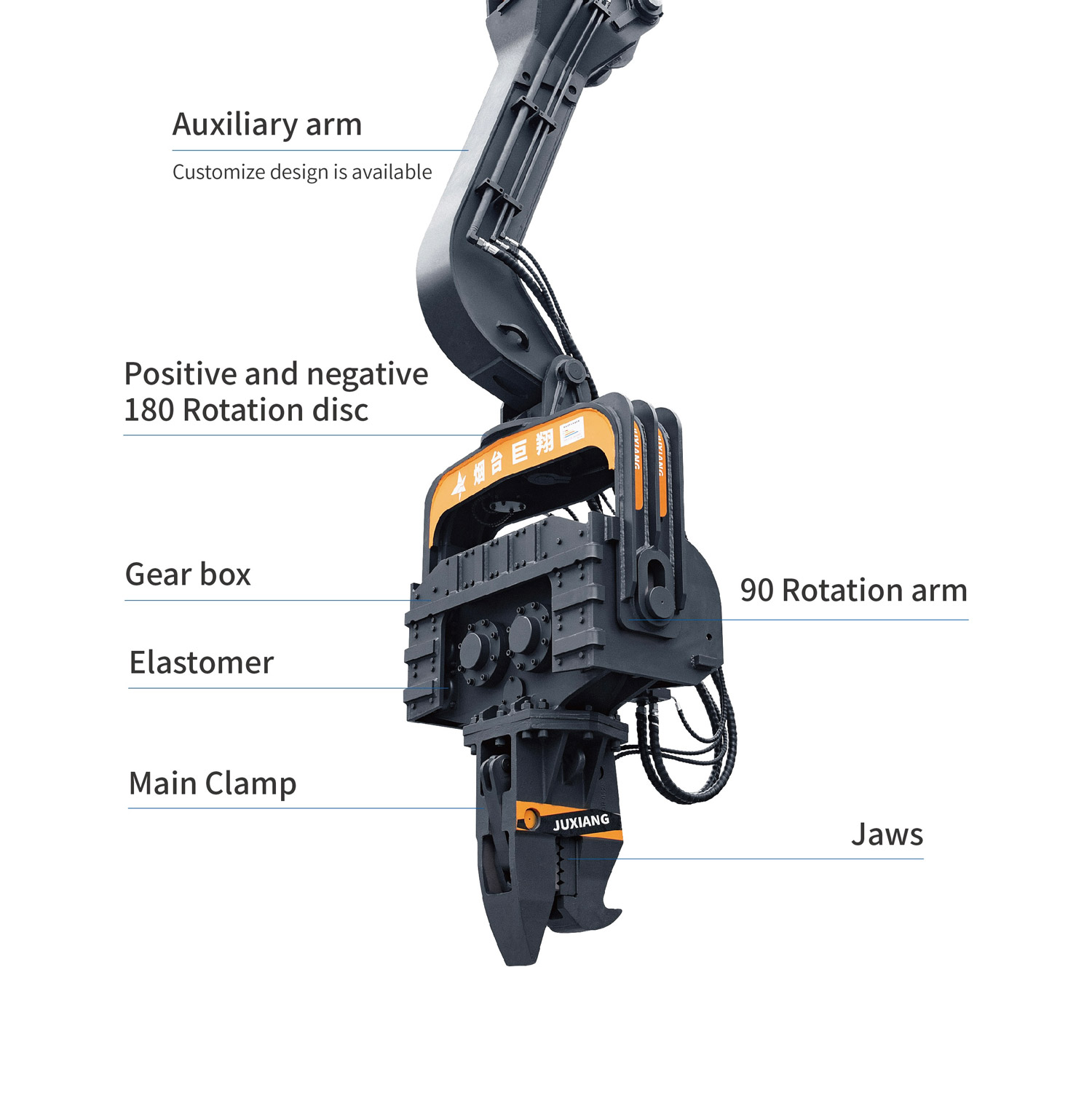
**Different Methods of Pile Driving: Enhancing Foundation Construction**Pile driving is a fundamental process in construction engineering, providing the necessary support for structures by transferring loads to deeper, more stable soil layers. As construction projects become more complex and site conditions vary widely, understanding the different methods of pile driving is essential for ensuring structural integrity and efficiency. This article explores the various pile driving techniques commonly used in the industry, shedding light on their applications, advantages, and considerations.**Understanding Pile Driving**Pile driving involves driving long, slender columns, commonly made from materials such as steel, concrete, or timber, into the ground to support structures like buildings, bridges, and piers. The primary objective is to create deep foundations capable of bearing heavy loads, especially when the surface soil lacks sufficient strength. The choice of pile driving method depends on factors such as soil type, project scale, environmental constraints, and equipment availability.**Common Methods of Pile Driving**1. **Impact Hammer Pile Driving**One of the oldest and most widely used methods is impact hammer pile driving. This technique uses a heavy hammer, typically powered by steam, diesel, or hydraulic systems, to repeatedly strike the pile head, driving it into the ground. The impact generates high force, allowing piles to penetrate dense soils efficiently.*Advantages:*- Suitable for a wide range of soil conditions.- Relatively fast operation.- Well-established technology with extensive operational experience.*Considerations:*- Generates significant noise and vibrations, which may require mitigation in urban areas.- Requires heavy equipment and skilled operators.2. **Vibratory Pile Driving**Vibratory pile driving employs high-frequency vibrations to reduce soil resistance around the pile, enabling it to be driven into the ground with less force compared to impact hammers. The equipment consists of an eccentric rotating mass that generates vibration, combined with a clamp that holds the pile.*Advantages:*- Faster driving process in granular and sandy soils.- Reduced noise and vibrations compared to impact methods.- Suitable for installing temporary piles or in sensitive environments.*Considerations:*- Less effective in cohesive or very dense soils.- May cause soil liquefaction in certain conditions.3. **Press-in Piling**This quiet and low-vibration technique uses hydraulic presses to push the pile into the ground gradually. By applying constant pressure, the pile is pressed deep into the soil, minimizing disturbance to nearby structures and the environment.*Advantages:*- Minimal noise and vibrations, ideal for urban or noise-sensitive areas.- Precise installation and control of pile position.*Considerations:*- Slower than impact or vibratory driving.- Requires solid equipment foundations to counter reaction forces.4. **Jetting Method**In jetting, high-pressure water jets are used to fluidize the soil around the pile tip, allowing easier penetration. Often combined with vibratory or impact driving, jetting can improve pile installation efficiency in granular soils.*Advantages:*- Reduces driving resistance in sandy or loose soils.- Can speed up pile installation.*Considerations:*- Requires water supply and management of displaced soil.- Not suitable for cohesive soils or areas with groundwater contamination concerns.5. **Drilled (Bored) Piling**Although not a driving method, drilled piling involves creating a hole first using drilling equipment, then placing a pile or concrete shaft into it. This method avoids driving impacts altogether and is used when disturbances to adjacent structures must be minimized.*Advantages:*- No vibrations or noise from driving.- Can handle very large diameter foundation elements.*Considerations:*- Slower and more expensive compared to driving methods.- Requires suitable soil conditions for bore stability.**Selecting the Appropriate Pile Driving Method**Choosing the right method depends on multiple factors, including soil profile, project timeline, environmental restrictions, and budget. For example, impact hammer driving is ideal for large-scale projects less constrained by noise, while press-in piling suits urban developments sensitive to vibrations.Technological advancements have also improved monitoring and control during driving operations, enhancing safety and quality assurance.**Company Introduction**As a leading specialist in foundation engineering, our company has extensive experience in providing tailored pile driving solutions across diverse projects. Equipped with state-of-the-art equipment and a skilled workforce, we deliver efficient, safe, and environmentally conscious foundation installations.Our approach involves thorough site investigation and engineering analysis to determine the most suitable pile type and installation method. We pride ourselves on adapting to the specific needs of each project, ensuring structural stability while minimizing impact on the surroundings.From using advanced vibratory and press-in techniques for environmentally sensitive sites to heavy-duty impact driving on large infrastructure projects, our expertise covers the full spectrum of pile driving methods.**Conclusion**Pile driving is a critical process that requires careful selection of methods to match project requirements and environmental considerations. By understanding the strengths and limitations of each technique—impact hammers, vibratory drivers, press-in piling, jetting, and drilled piling—engineers and construction professionals can optimize foundation performance and project efficiency.With the backing of experienced foundation engineering companies and modern technology, construction projects can achieve strong, reliable foundations while addressing challenges such as noise control, vibration reduction, and soil variability. This holistic approach paves the way for safer, more sustainable urban and infrastructure development.
Read More